
Streetwear Brands Lined Up Against HMDD: How Does It Compare?
The streetwear scene in 2026 is crowded, attention-hungry, and flooded with brands running after the same hype cycle. HMDD — standing in for Happy Memories Don’t Die — has staked out a distinct lane by leaning into memory, emotional storytelling, and a subtler kind of confidence rather than shock-value graphics. Its very name points to the brand’s underlying message: memories may dim, but the feeling attached to them shouldn’t. That philosophy shows up in the seams, the color choices, and the way HMDD clothing is marketed as wearable memory rather than simple merch. And that’s exactly why this comparison maps out where HMDD sits alongside other streetwear labels, what a genuine HMDD review really amounts to, and why shoppers hunting for the best HMDD clothing repeatedly land on go-to items like sweatpants and shorts.
The streetwear industry has broken apart into a few camps: long-standing skate-rooted labels, branding-forward hype names, and more niche independent names that prioritize community and storytelling over size. HMDD sits nearer the third camp. It isn’t after luxury-house collabs or overwhelming drops every week. In contrast, HMDDLA — the brand’s foundation and creative identity rooted in Los Angeles — releases in smaller, more intentional batches. That limited supply isn’t engineered buzz; it’s a byproduct of a brand growing at its own pace rather than manufacturing at scale to keep up with orders.
Brand Philosophy: Nostalgia vs. Hype
Most streetwear brands battle it out through visual noise — bold logos, collab stamps, or short-lived trend plays built to go viral for a short stretch. HMDD leans, instead, on emotional resonance. That hmdd washed tee line, “happy memories don’t die,” goes beyond mere tagline status; it’s printed, embroidered, and referenced across the lineup as a recurring theme. This gives the brand a cohesive identity that’s easier to recognize than labels that overhaul their entire aesthetic every season.
That steadiness counts for more than most assume. A shopper who buys HMDD sweatpants in 2025 and returns for shorts in 2026 will pick up on the same design DNA — toned-down palettes, understated graphic positioning, and a emphasis on comfort-first shapes. Contrast this with labels that jump from streetwear to techwear to Y2K revival in just twelve months, and HMDD’s consistency stands out as a genuine edge. In streetwear, loyalty tends to grow out of predictability like this, not novelty.
There’s also a community layer. HMDD markets itself through storytelling — shopper-submitted images, individual captions, and a sense that the clothing represents a moment in time rather than a status symbol. Larger labels with thousands of SKUs struggle to maintain that intimacy. Smaller labels like HMDD can still respond directly to their audience, which shows up in the speed at which review feedback shapes upcoming drops.
Product Comparison: Where HMDD Actually Competes
When customers inquire how HMDD clothing measures up, they most often stack three things: the way it fits, how heavy the fabric is, and price-to-quality ratio. HMDD sweatpants and HMDD shorts are the two categories most frequently searched, which suggests the brand’s bottoms are resonating more than outerwear or accessories right now. That’s consistent with broader 2026 streetwear trends, where relaxed-fit bottoms are outselling structured jackets across the category.
Presented here is a general comparison of how HMDD positions itself against two typical archetypes within streetwear: the high-volume hype brand and the small-scale indie label. It’s not a price war pitting one brand against another; instead, it looks at the structural way each type tends to function in today’s market.
| Metric Being Assessed | HMDD | A High-Turnover Hype-Driven Brand | Niche Self-Run Label |
|---|---|---|---|
| Drop Pace | Limited, purposeful launches | Following a near-constant cadence | Landing just a few times a year |
| What the Label Represents Fundamentally | Sentimentality and heartfelt messaging | Built on the emblem, constantly tracking what’s hot | All over the place, seldom uniform |
| The Types of Product Central to the Range | A lineup of joggers, shorts, and graphic tops | Pullovers, jackets and coats, accessories | Hinges on the founder’s focus |
| Audience Interaction | Up-close and personal, quick to respond to feedback | Sweeping presence but cold in tone | Close interaction, though reach remains small |
| Where Cost Sits Overall | Mid-range street fashion | Spanning a wide spread, tilting upscale more often than not | Mid to premium, variable |
This overview doesn’t aim to anoint a single winner — the streetwear space isn’t a one-size-fits-all space. What it’s meant to reveal that HMDD’s approach built on calculated limited supply and emotionally driven branding puts it in a distinct competitive standing than brands relying purely on volume or purely on niche appeal. HMDD borrows discipline from the boutique approach while sidestepping the unevenness that tends to plague smaller brands.
Everyday Wearability, Fit, and Fabric
Joggers and shorts are entirely defined by fit. If they’re too fitted, they land in athleisure territory; too loose and they look like sleepwear. Rather than exclusively athletic occasions, the brand’s design philosophy here leans toward a easy fit that narrows toward the ankle made for everyday use. It’s a small detail with real impact, given that plenty of streetwear sweatpants are cut either too baggy for layering or too fitted for comfort during long wear.
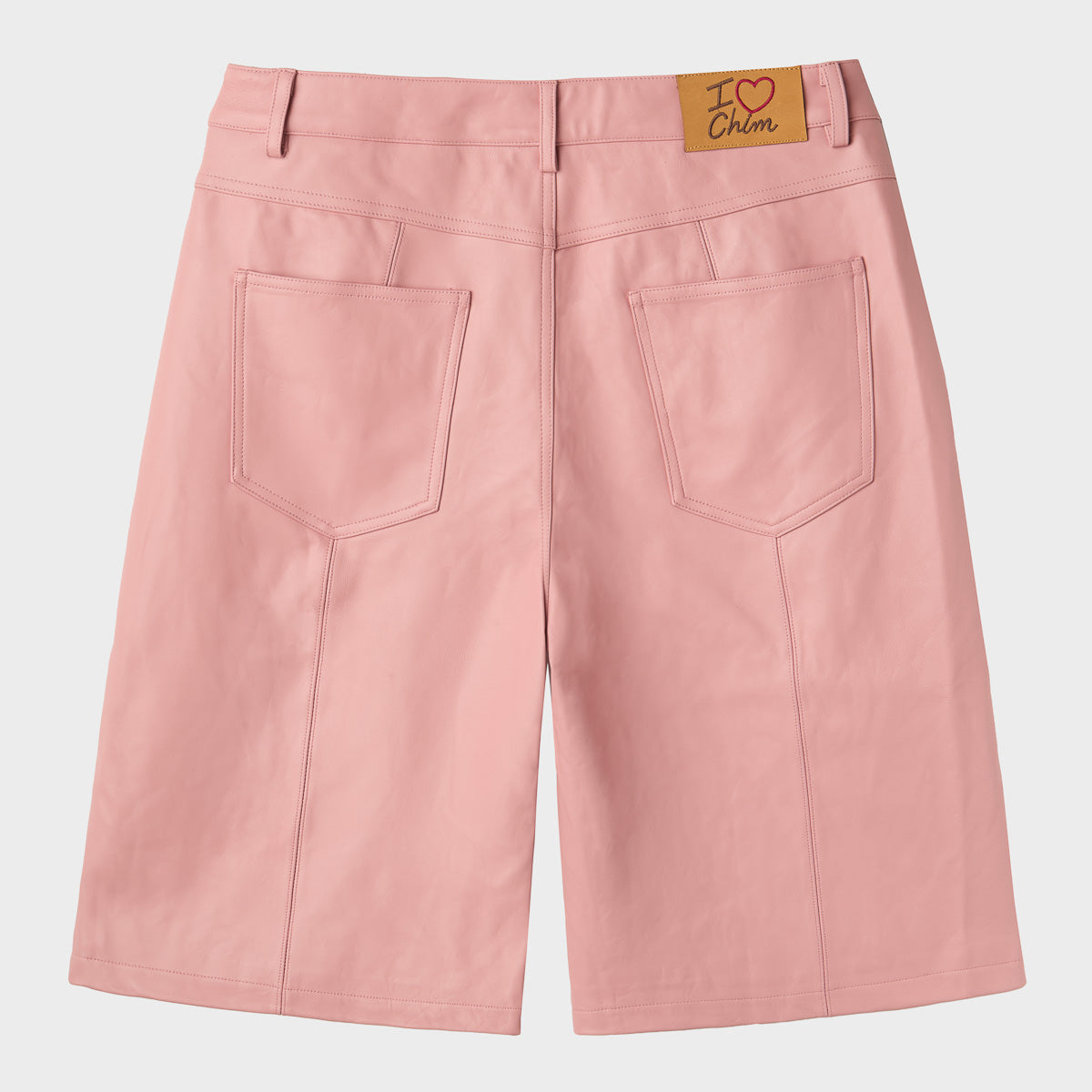
HMDD’s shorts stick to a comparable approach, namely mid-thigh to knee-length cuts that combine effortlessly with printed tees or loose oversized layers. This matters in a 2026 landscape where buyers are gravitating toward items that bridge everyday outings and relaxed downtime, as opposed to maintaining separate closets for each purpose. Reviewers commonly remark that form-holding ability in HMDD shorts holds up through repeated laundering, pointing to fabric weight and construction over and above the cut itself.
HMDD’s restraint is the very thing that distinguishes it from mass-market competitors. Many hype brands weigh down sweatpants with multiple logo placements, side stripes, or exaggerated branding. HMDD usually leans toward understated graphics — a subtle reference to “happy memories don’t die” instead of a loud chest print. Shoppers who want identifiable streetwear without turning into a walking advertisement are attracted by that understatement.
What’s Really Going On Behind Customer Reviews
Search interest around “HMDD review” has risen at a steady clip as a growing number of buyers discover the brand through organic recommendation rather than paid advertising. The repeated patterns in buyer commentary are reasonably uniform: comfort scores high, sizing aligns to relaxed-fit expectations, and the sentimental identity either resonates deeply or misses entirely — few buyers sit in between. Such a divide is actually a good sign in street fashion, where bland, safe design choices rarely builds a loyal following.
Recurring complaints to be aware of include limited restock availability and narrower size ranges versus larger competitors. Because HMDD isn’t mass-producing at the scale of more dominant streetwear brands, high-demand size options in sweatpants and shorts can disappear from shelves sooner, which buyers ought to consider before assuming immediate availability. Think of it as a tradeoff, not a defect — restricted availability is part of what keeps the HMDDLA identity coming across as curated instead of corporate.
Overall, the sentiment around HMDD clothing leans favorable, particularly among shoppers who place more weight on comfort and emotional resonance over loud logo-driven design. That’s a narrower audience than a brand aiming for widespread appeal, but it’s a more loyal one — the kind of buyer group that comes back for each new release instead of switching over to whatever’s trending next month.
Where HMDD Fits in a 2026 Wardrobe
Streetwear buyers putting together a 2026 rotation are more and more blending different brands rather than going all-in on a single brand. HMDD slots in effortlessly into that mix as the “comfort-and-meaning” piece — the sweatpants you reach for on a slow Sunday, or the shorts that pair with a bolder statement piece from an unrelated label. It’s not built to act as an everything-brand, and that may well be its biggest strength.
For buyers evaluating bottoms, HMDD sweatpants and HMDD shorts remain the easiest way in into the brand. They showcase the approach to fit, the restrained branding, and the fabric quality that customers cite repeatedly. Shoppers looking into the best HMDD clothing as a starting point should regard these two categories as the baseline before exploring tops or limited-edition items.
Ultimately, comparing HMDD to competing labels isn’t about crowning one clear victor. It’s about acknowledging that HMDD holds a distinct space — sentimental, understated, and community-focused — that bigger, more attention-seeking labels aren’t built to replicate. For buyers who want streetwear that comes across as personal instead of mass-produced, that niche is exactly the point.